Customer Lifetime Value: The LTV Guide for Restaurants
Customer lifetime value for a restaurant is the total gross profit one guest brings across every visit they will ever make, from their first plate to their last. You calculate it as average spend per visit × visits per year × the years a guest stays active × your gross margin — and a single regular can be worth thousands of euros, which changes every decision about what you should spend to win and keep guests.

Key takeaways
- Customer lifetime value (LTV or CLV) is the gross profit one guest generates over their whole relationship with your restaurant — not what they spend on one visit.
- The formula is simple: average spend per visit × visits per year × years active × gross margin. Four numbers, all available in your POS and books.
- Frequency is the highest-leverage lever: a guest who visits twice a month instead of once is worth roughly twice as much.
- A healthy rule is that lifetime value should be at least three times what it costs to acquire a guest — that ratio, not either number alone, tells you whether your marketing pays.
- Most LTV growth comes from unglamorous work — converting a first visit into a second, noticing guests who go quiet, and making rebooking effortless.
If you run a restaurant, you already know the feeling: a Friday night full house, a Saturday that barely covers costs, and a nagging sense that you are working too hard for too little. Most owners look at the wrong numbers when they try to fix that — tonight's covers, this week's revenue, the average spend per table — all snapshots of a single moment. Customer lifetime value looks at the whole film instead of one frame: how much is one guest actually worth to you over the years, and what would you spend to win one more like them?
This guide is written for independent restaurant, café and bar owners in the Nordics. No enterprise software and no statistics degree are needed: you will learn the formula, work through a realistic example in euros, see what a good lifetime value looks like for different restaurant types, and get a practical 90-day plan to raise yours.
What customer lifetime value actually means for a restaurant
Customer lifetime value — usually shortened to LTV or CLV — is the total gross profit a single guest generates across every visit they will ever make to your restaurant. Not revenue, and not one night's bill: gross profit, after the food and drink costs of serving them, accumulated over the whole relationship. A guest who spends €35 on their first visit and never returns has a lifetime value of roughly €23 in gross profit. A guest who spends the same €35 twice a month for four years has a lifetime value of around €2,184. Same first visit, same average spend — nearly a hundred times the value. That gap is the whole story of restaurant economics, and it is invisible if you only look at daily takings.
Why does this matter more for restaurants than for most businesses? Restaurants live on repeat custom: industry estimates put 65–80% of a restaurant's sales as coming from returning guests, and a returning guest typically spends more per visit than a first-timer, because they already trust the kitchen and know the menu. Winning a new guest is also expensive — the classic Harvard Business Review finding is that it costs five to twenty-five times more than keeping an existing one — and Bain & Company research suggests a 5% lift in retention can raise profits by 25–95%. The exact percentages vary by market, but the direction is unmistakable: the regulars pay the rent.
Revenue, profit, and why the distinction matters
Some guides define lifetime value as total revenue, others as gross profit. We use gross profit, because revenue flatters the number and leads to bad decisions: a guest who generates €3,000 in revenue over three years at 35% food and beverage costs is worth about €1,950 before rent and wages, so spending €2,500 to acquire them would quietly lose money. For most independent restaurants, gross margin on food and drink sits around 60–70% after food and direct costs; use your own figure from your books, not an industry average.
Average lifetime value across all guests is useful, but lifetime value per segment is where the decisions live. Your lunch regulars, your Friday-night couples, your delivery-only customers and your once-a-year birthday parties are four different businesses inside one restaurant, with wildly different values — and segmentation is where most of the practical gains hide.
A guest who spends €35 twice a month for four years is worth around €2,184 in gross profit. The same first visit, the same average spend — nearly a hundred times the value of a guest who never returns.
The customer lifetime value formula, with a worked example
The formula fits on a till receipt:
LTV = average spend per visit × visits per year × years active × gross margin
Four inputs, each findable or estimable in an afternoon. Small misunderstandings here produce big errors, so here is each one precisely.
The four inputs, one by one
Average spend per visit. What one guest spends each time they come in, including drinks, dessert and coffee. Your POS can usually report average spend per cover or per transaction; if your system reports per table, divide by the average party size. Be careful to include delivery and takeaway orders in the right bucket — a delivery guest's average order is often higher than a dine-in guest's, but their margin is lower once platform commission is counted, so keep the segments separate.
Visits per year. How many times that guest comes back in twelve months. This is the number most owners guess worst, because the guests they remember are the regulars. Your booking system, loyalty data or even a rough count from your reservation book will give you a better estimate than memory. A guest who comes "all the time" might visit eighteen times a year; a guest who comes "sometimes" might visit four.
Years active. How long a guest keeps coming before they drift away — move house, change jobs, find a new favourite, or simply fall out of the habit. For a neighbourhood restaurant this is typically three to five years for a loyal regular; for a city-centre lunch spot dependent on office workers, it can be shorter, tied to how long people stay in nearby jobs. If you do not know, three years is a reasonable, conservative starting estimate.
Gross margin. The share of each euro of sales you keep after food and drink costs. If your food cost runs at 30% and beverage at 25%, a blended gross margin of around 65–70% is typical for a full-service restaurant. Use your own profit and loss statement, not a guess: take gross profit divided by revenue for the last twelve months.
A worked example in euros
Take a casual dining restaurant in a Finnish city, where a typical regular spends €35 per visit, comes twice a month (24 visits a year), stays active for three years, and the restaurant runs at 65% gross margin:
€35 × 24 × 3 × 0.65 = €1,638 of lifetime gross profit from one regular guest.
Now change one input at a time. If that guest visits three times a month instead of two, lifetime value rises to €2,457; if they stay active for five years instead of three, it rises to €2,730; and if average spend rises to €42 through a dessert or a glass of wine they actually wanted, it rises to €1,966. If all three improve together — the realistic outcome of a genuinely better guest experience — the same guest is worth €4,410. The inputs multiply, so small improvements in more than one of them produce a large change in the total.
Compare that with a one-time tourist who spends €45 once and never returns: €45 × 1 × 1 × 0.65 = about €29. The regular is worth more than fifty times as much. If you spend €400 a month on ads aimed at strangers while spending nothing on the guests who already like you, the formula is telling you something uncomfortable — and useful.
The inputs multiply, so small improvements in more than one of them produce a large change in the total.
How to calculate it with data you already have
You do not need new software to calculate lifetime value. For most restaurants, three of the four numbers already exist in systems they pay for every month; only guest lifetime usually requires an estimate, and a rough one is fine for a first pass.
Step 1: Pull average spend from your POS
Open your POS reporting for the last three to six months and find average spend per guest or per cover — not per table, and not per transaction if transactions mix dine-in and delivery. Run dine-in and delivery separately: delivery orders through Wolt or Foodora in Finland typically carry 25–30% commission, so a €40 delivery order and a €40 dine-in order have very different margins.
Step 2: Estimate visits per year from bookings and loyalty data
If you use a booking system, export your guest list and count visits per guest over the last twelve months. Sort by visit count and you will see the shape of your business at once — a small group visiting monthly or more, a larger group visiting a handful of times, and a long tail of one-time visitors. A stamp card or digital loyalty programme gives you the same picture. With no guest-level data at all, use your reservation book: count how many of last month's bookings were from names you recognise. That recognition rate is a rough proxy for your repeat rate, and it is the number you want to grow.
Step 3: Estimate years active honestly
This is the hardest input and the one where optimism does the most damage: a guest who has visited monthly for two years has demonstrated two years, not five. Look at your oldest regulars and ask how long the typical one has been coming. In a stable neighbourhood, three to five years is realistic; in a tourist-heavy or office-district location, two to three years may be more honest. If you run a loyalty programme, your churn rate gives a shortcut: average guest lifetime in years is roughly 1 divided by your annual churn rate, so 25% annual churn implies a lifetime of about four years.
Step 4: Take gross margin from your books
Do not guess this one: open your last annual accounts or bookkeeping software and divide gross profit by revenue. If you do not have clean gross profit figures, take revenue minus food and beverage purchases for the same period. The result is usually between 60% and 72% for independent restaurants; cafés can be higher, fine dining lower. Your number is the right one for your calculation.
Step 5: Calculate per segment, not just overall
Run the formula four times: for regulars, occasional guests, first-time guests, and delivery-only customers. A typical result might be regulars worth €1,600 each, occasional guests worth €250, one-time guests worth €25, and delivery customers worth €180 after commission. Once you see those numbers, the strategy writes itself — protect and grow the regulars first, convert occasionals into regulars second, and treat one-time acquisition as the expensive activity it is. For the other side of the equation, read our guide to customer acquisition cost for restaurants.
A quick LTV worksheet
Fill in your own numbers. Average spend per visit: €____. Visits per year: ____. Years active: ____. Gross margin: ____%. Multiply them together and you have your average regular's lifetime value. Now do the same for an occasional guest who visits four times a year. The gap between the two numbers is the value of one extra visit per month — and the budget you can justify spending to earn it.
What is a good customer lifetime value for a restaurant?
There is no single good number, because a fast-food regular and a fine-dining regular live in different worlds. Published industry estimates for 2026 put the ranges roughly as follows — treat them as orientation, not targets, because they are built mostly from US data and US price levels.
| Restaurant type | Typical annual spend per regular | Typical relationship | Indicative lifetime value* |
|---|---|---|---|
| Fast food / quick service | €800–€2,500 | 3–7 years | €2,400–€17,500 |
| Fast casual / lunch restaurant | €600–€1,500 | 3–6 years | €1,800–€9,000 |
| Casual dining | €400–€1,200 | 5–10 years | €2,000–€12,000 |
| Fine dining | €1,500–€5,000 | 5–15 years | €7,500–€75,000 |
| Café / coffee shop | €300–€900 | 3–7 years | €900–€6,300 |
*Revenue-based ranges from published 2026 industry benchmarks; gross-profit value is roughly 60–70% of these figures.
Two things stand out. First, the ranges are enormous, because frequency and tenure vary so much between guests. Second, the type of restaurant matters less than the behaviour of the guest: a lunch regular who comes three times a week can be worth more than a fine-dining guest who visits twice a year. Benchmarks tell you whether your numbers are plausible; your own segments tell you what to do on Monday morning.
Customer lifetime value vs customer acquisition cost: the ratio that matters
Lifetime value on its own is an interesting number. Compared with customer acquisition cost, it becomes a decision tool. CAC is what you spend to win one new guest — ads, first-visit discounts, delivery-platform commission on first orders, influencer fees, and the staff time spent on acquisition marketing, all divided by the number of new guests won. LTV is what that guest returns. The ratio between them is the health check for your whole marketing operation.
The widely used rule is that lifetime value should be at least three times acquisition cost — an LTV:CAC ratio of 3:1 or better. Below 3:1, you are spending too much to win guests relative to what they return, and growth destroys value. At 5:1 or above, you are probably under-investing. Restaurant benchmarks published for 2026 suggest healthy ratios of 3:1 to 8:1 depending on loyalty programme effectiveness. The exact threshold matters less than checking the ratio every quarter and letting it steer the budget.
How the ratio changes real decisions
Consider a restaurant spending €1,500 a month on Meta and Google ads that bring 50 new guests — a CAC of €30. If the average new guest's lifetime value is €150, the ratio is 5:1 and the ads work well. But if most of those guests never return, their lifetime value might be only €45 and the ratio 1.5:1 — the ads lose money even though the dining room looks full. The fix may be to move €200 of that budget into converting first-time guests into second-time guests, raising the LTV side of the ratio instead of cutting the CAC side. That is the kind of decision you can only make when you know both numbers.
Delivery platforms deserve special attention: a first order through a delivery app can carry 25–30% commission, which pushes CAC up, while the platform — not you — owns the guest relationship, which pushes LTV down. Our guide to what delivery commissions really cost works through the maths. Delivery is a useful acquisition channel, but a guest converted to direct ordering is worth far more than one who stays on the platform.
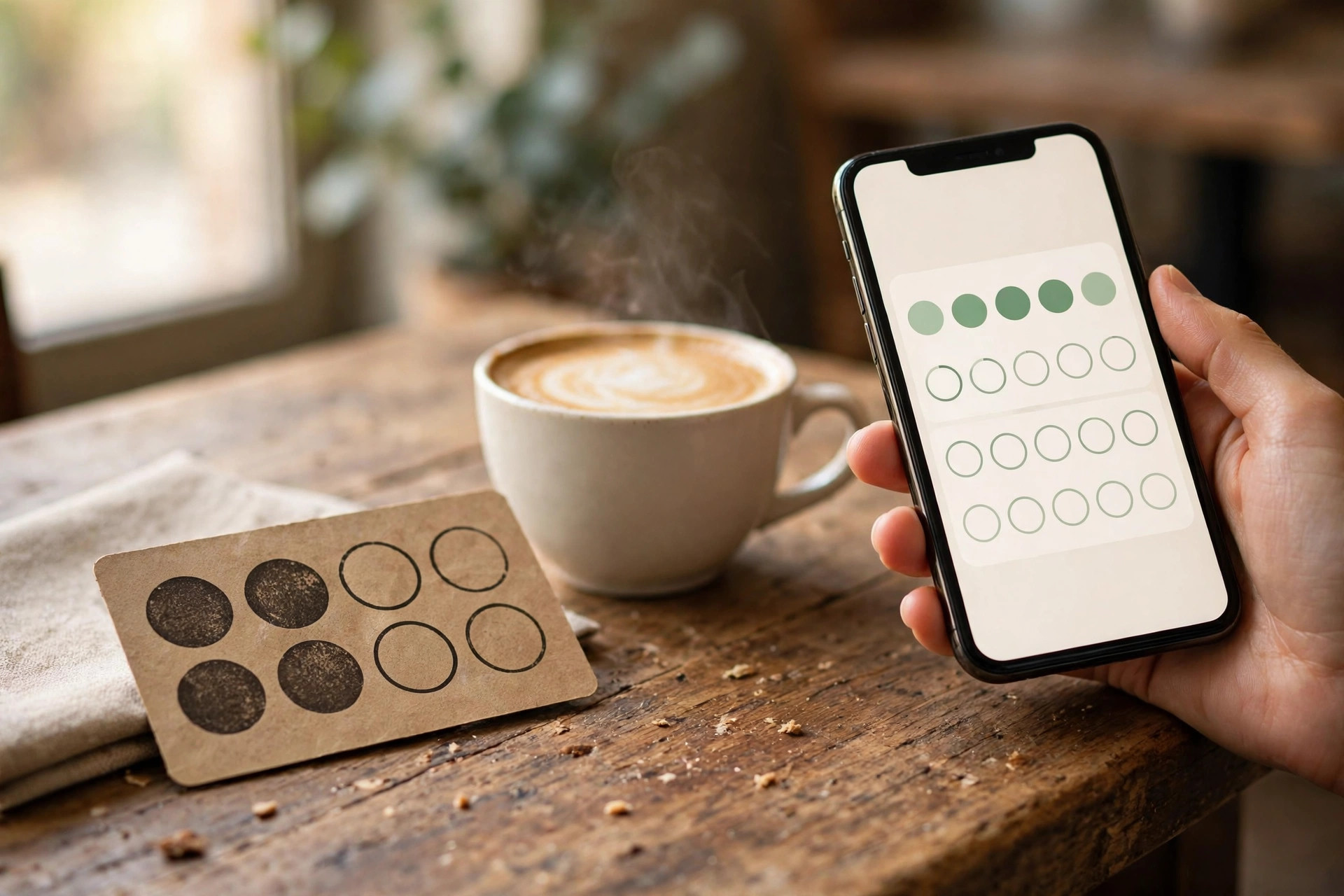
Five levers that raise lifetime value
Every way of growing lifetime value works through one of the four inputs in the formula, or through recovering guests you had already lost. Think of it as five levers, in order of leverage — start with the first two, where most of the money is.
Lever 1: Turn the first visit into a second visit
The first visit is not a revenue event; it is an audition. A guest who returns a second time is far more likely to become a regular than one who visits once, and the window is short — the days after a first visit are the highest-leverage moment in the whole guest lifecycle. What works is specific and simple: a thank-you message within 48 hours, a concrete reason to return (a dish they have not tried, a seasonal menu starting next week), and a booking link that takes seconds. A generic "we hope to see you again" with no reason and no next step does not work. Tag first-time guests in your booking system and follow up personally; for walk-ins, a loyalty card handed over with the bill does the same job. Our guide to win-back campaigns covers the messaging in detail.
Lever 2: Increase visit frequency
Frequency is the most powerful lever because it compounds across the whole relationship: a guest who visits twice a month instead of once is twice as valuable for every year they stay. The tactics are rarely dramatic — a Thursday lunch offer, a monthly tasting menu, a seasonal dish that appears for three weeks, an event night that becomes a habit. The common thread is giving guests a reason tied to a date, not a discount tied to nothing. Discounts can raise frequency while destroying margin, so prefer reasons to return over price cuts: a free main course on the tenth visit costs you one meal in ten, while 20% off everything costs you 20% of everything, including visits that would have happened anyway.
Lever 3: Extend the relationship
Churn prevention is lifetime value extension: every month you keep a regular is another month of visits multiplied into the formula. The work is noticing decline early — a fortnightly guest who has not been in for six weeks is at risk; one absent for six months is probably gone. Booking and loyalty data make this visible, and without data your staff's memory does the same job if you ask them. A short, personal message — "we have missed you, your usual table is free on Friday" — recovers a meaningful share of at-risk guests, and each one resumes a whole relationship rather than a single visit.
Lever 4: Grow average spend authentically
Spend grows best when it follows the guest's preferences rather than your margin targets. Staff who remember that a guest likes a particular wine, or always orders dessert when it is the chocolate fondant, can suggest the right thing at the right moment — guests experience that as service, not selling. Menu design supports this: place high-margin dishes where the eye lands and make the step up to dessert feel natural. Our guide to digital menus done right covers the details. The guardrail is simple: if average spend rises while visit frequency falls, you are extracting value instead of creating it.
Lever 5: Recover lost lifetime value
Former regulars are the cheapest high-value guests you will ever win back, because they already know you and liked you once. A win-back message aimed at guests who have not visited in three to six months — referencing their last visit, acknowledging the gap, and offering a genuine reason to return — typically outperforms any cold acquisition campaign on return per euro spent. Keep it honest and sparing: one message, one reason, no begging.
The first visit is an audition, not a revenue event. The days after a first visit are the highest-leverage moment in the whole guest lifecycle — and most restaurants spend nothing on them.
Not all guests are worth the same: segmenting by value
Once you have a lifetime value figure, the next step is to stop treating all guests as equal. A simple segmentation method used across the industry is RFM: recency (how recently they visited), frequency (how often they visit), and monetary value (how much they spend). You do not need software for this — a spreadsheet with three columns and your booking or loyalty data is enough to sort guests into groups that deserve different treatment.
The four segments that matter
Champions — visited recently, visit often, spend well. These regulars are often a small share of guests driving a large share of revenue; one widely cited finding is that around 7% of a restaurant's guests can drive up to half of its orders. Champions get recognition, not discounts: remember their names, their usual table, their preferences, invite them to tastings, and ask their opinion on a new dish. They are also your best source of referrals.
Promising guests — visited recently but not often yet. These first- and second-time guests could become champions, and they get the first-visit follow-up, a reason to return, and the loyalty enrolment. This segment offers the highest return on marketing effort, because the gap between their current value and their potential value is largest.
At-risk regulars — used to visit often but have gone quiet. They get a personal check-in, not a mass promotion: something changed for them — a new job, a new competitor, a disappointing visit — and a generic 10%-off voucher will not find out what it was. A short message from a named person will.
One-time guests — visited once, long ago, low spend. They get nothing expensive. A light-touch seasonal email or a social media post is enough; do not spend acquisition-level money chasing people who have already told you, by their behaviour, that your restaurant is not for them. Our guide to customer segmentation goes deeper into building these groups and writing the right message for each.
What segmentation changes in practice
Segmentation changes two things immediately. First, it stops you sending the same offer to everyone, which trains your best guests to wait for discounts — champions should never receive the same voucher as a lapsed guest. Second, it tells you where to spend: a large promising segment and a small champion segment means your problem is conversion, not acquisition, so spend on the second visit rather than on ads. A growing at-risk segment points to experience or consistency, and no marketing fixes a kitchen problem. The segments diagnose the business, not just the marketing.
Under GDPR, segmentation must rest on a lawful basis — usually consent for marketing messages, or legitimate interest for service messages to existing customers — and guests must be able to opt out easily. Keep your lists clean, honour unsubscribes immediately, and never buy guest data. Our guide to building an email list from zero, GDPR-safe covers the rules in detail.
Win-back campaigns and the quiet churn problem
Most lost guests do not complain. They do not leave a bad review or send an angry email. They simply stop coming, and because restaurants are busy places, nobody notices for months. This quiet churn is the biggest leak in lifetime value, because every guest who drifts away takes years of future visits with them — and because it is invisible, it never gets fixed.
How to spot quiet churn before it is too late
Define a "quiet" threshold: for a weekly regular, four weeks without a visit is a signal; for a monthly guest, three months. Check your list weekly — ten minutes with a booking system or loyalty report is enough. The guests who cross the threshold are your win-back list. Do not wait for a second threshold; by then they have formed a new habit somewhere else.
What a good win-back message looks like
The best win-back messages are short, specific and human: they reference something real — the dish the guest always ordered, the table they liked — and offer one concrete reason to return, such as a new seasonal menu. They come from a named person, not a brand, and they are sent once, not as a drip campaign. Avoid the two common mistakes: leading with a discount, which tells the guest their loyalty is worth 10% off, and sounding desperate. A confident restaurant says "we have missed you and we have something new you would like" and leaves it there.
A 90-day plan to raise your restaurant's LTV
Theory is cheap; here is a plan you can run alongside normal service, in about two hours a week, with no new software.
Days 1–30: Measure and find the leaks
Week one, calculate lifetime value for your four segments using the worksheet above — average spend from your POS, visit frequency from bookings or loyalty data, a conservative estimate of years active, and gross margin from your books. Week two, build your quiet-guest list: everyone who used to visit regularly and has not been in for twice their usual gap. Week three, audit the first-visit experience — book a table on your own website as a stranger would and check whether a first-time guest gets any follow-up at all. Week four, write down your three numbers — average LTV, CAC, and the ratio — and pin them where you will see them. Our guide to the five KPIs every restaurant should track and the Google Analytics setup guide will help you measure what your website contributes.
Days 31–60: Fix the second visit and the quiet list
Put a first-visit follow-up in place: a thank-you message within 48 hours with one specific reason to return, sent to every first-time booker. Send a personal win-back message to your quiet list — a real message from a named person, not a voucher blast. Start a simple loyalty mechanic if you do not have one: a stamp card costs almost nothing and gives guests a visible reason to come back for the tenth visit. And train the team on one thing: recognising regulars by name and usual order. That single habit raises both frequency and tenure, and it costs nothing but attention.
Days 61–90: Build the habit and review the numbers
Make the weekly quiet-guest check a standing task — ten minutes every Monday. Review your segments monthly: is the promising segment converting into champions, is the at-risk segment shrinking? Recalculate lifetime value at the end of the quarter and compare it with your day-one figure. If frequency rose by even one extra visit per year per regular, you will see it in the number — proof that the unglamorous work pays. Next quarter, the work is usually the same, done more consistently, because lifetime value rewards consistency more than campaigns.
Frequently asked questions
How do you calculate customer lifetime value for a restaurant?
Multiply four numbers from your POS and books: average spend per guest per visit, visits per year, the number of years a guest stays active, and your gross margin. For example, a €35 average spend × 24 visits a year × 3 years × 65% gross margin gives a lifetime value of about €1,638 in gross profit per regular guest.
What is a good customer lifetime value for a restaurant?
It depends on the concept. As a rough guide, published industry estimates put lifetime value at around €2,000–€12,000 for a casual dining regular over a 5–10 year relationship, €2,400–€17,500 for a frequent fast-food customer, and €7,500–€75,000 for a loyal fine-dining guest. The number only means something next to what it costs you to win that guest: lifetime value should be at least three times your customer acquisition cost.
How is customer lifetime value different from customer acquisition cost?
Customer acquisition cost (CAC) is what you spend to win one new guest; customer lifetime value (CLV) is the gross profit that guest brings over the whole time they keep coming back. CAC is a cost, CLV is the return. A healthy business keeps CAC at roughly one-third of CLV or less, so each new guest is worth at least three times what they cost to win.
Do loyalty programmes increase customer lifetime value?
Yes, when they are designed to reward frequency rather than just discounting. A well-run loyalty programme increases how often guests visit and how long they stay active, which are the two biggest multipliers in the lifetime value formula. Programmes that only hand out discounts can raise frequency while shrinking margin, so track spend per visit as well as visits.
How can a restaurant increase customer lifetime value without discounting?
Focus on the levers that do not touch price: turn a first visit into a second visit within two weeks, make reordering and rebooking effortless, recognise regulars by name and usual order, run win-back messages to guests who have gone quiet, and use seasonal menus and events to give guests a reason to return. Small gains in visit frequency compound across the whole relationship.
How often should a restaurant calculate customer lifetime value?
Quarterly is right for most independent restaurants, monthly if you run a loyalty programme or online ordering and have the data flowing. Recalculate per guest segment — regulars, occasional guests, delivery-only customers — because the blended average hides which groups are becoming more valuable and which are quietly drifting away.
Want a website that brings table bookings?
PowerfulWebsite builds your restaurant's website free — you only pay from €59/mo. Everything included: domain, hosting, maintenance and updates.
See the packages