Rebranding Your Restaurant: When and How
A restaurant rebrand is the right move when the numbers say your identity — not your food — is the problem: covers are sliding while quality holds, the wrong crowd walks in, or the concept has drifted so far from the name that explaining it takes a paragraph. Done properly it takes 6–12 weeks and, for an independent Nordic restaurant, typically costs €3,000–€35,000 depending on scope. The golden rule: change the story around the restaurant, not the things your regulars actually love.
Key takeaways
- Rebrand when the data points at identity: falling covers with steady quality, concept drift, a new audience, or a damaged reputation — not because you are bored of the logo.
- Most "rebrands" only need a refresh: new visuals and menu design, same name and soul. Cheaper, faster, far less risky.
- Budget honestly: a refresh runs €3,000–€12,000; a full rebrand with a new name, identity, website and signage runs €12,000–€35,000 for an independent restaurant.
- Your regulars are the asset. Announce early, keep their favourite dishes, involve your staff, and relaunch as a celebration.
- Changing the name resets years of word-of-mouth and Google equity — clear it legally (trademark, domain) before you fall in love with it.
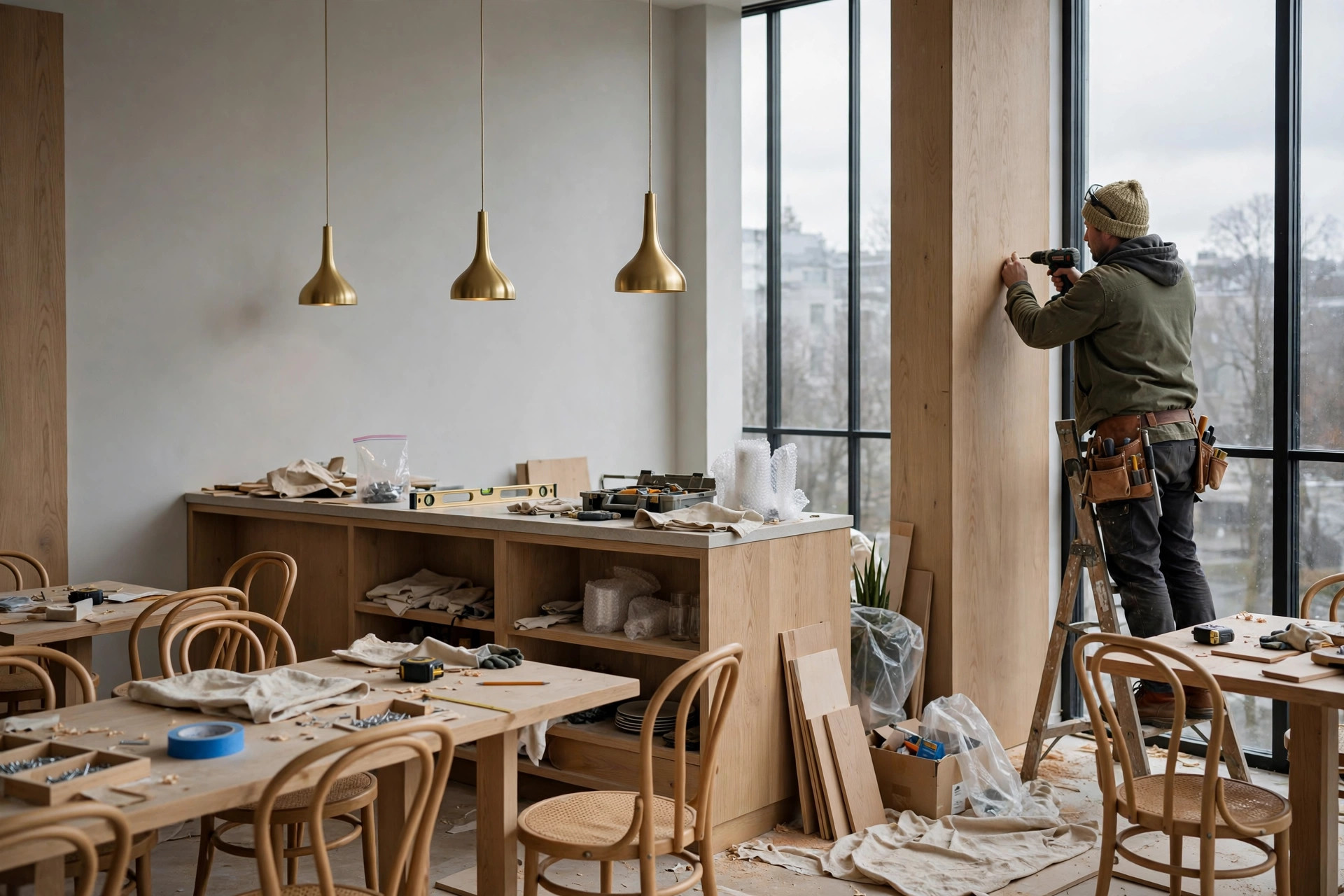
Every restaurant owner has the thought at some point, usually on a quiet Tuesday in February: maybe the problem is the brand itself. The logo looks like 2014. The name no longer matches the menu. The dining room attracts a different crowd than the one you actually want. And yet rebranding is one of the highest-stakes decisions an independent restaurant can make — it can reignite a tired business or torch years of goodwill in a single season. The difference is almost never the design. It is the diagnosis.
This guide is written for independent restaurant, café and bar owners in the Nordics who are weighing the decision. You will learn the five signals that genuinely justify a rebrand, how to tell a rebrand from a simple refresh, what each path realistically costs in euros, how to keep your regulars through the change, and a week-by-week playbook for the rollout — including the legal checks most guides skip and a relaunch plan that turns the change into bookings instead of confusion.
When to rebrand: the 5 signals
Rebranding because the logo feels old is a vanity project. Rebranding because the business needs it is strategy. Before spending a euro, check whether at least one of these five signals is genuinely true — and back it with numbers, not feelings.
1. Covers are falling while quality holds steady
The classic signal. Your kitchen is as good as ever, service is solid, reviews still mention the food fondly — but covers are down 10–20% year on year and you cannot explain it with a bad season or a roadworks summer. When the product is fine and demand is not, the problem is perception: the market has filed your restaurant under "not for me" or simply stopped noticing it. That is a brand problem, and no menu tweak fixes a brand problem.
2. The concept has drifted away from the name
You opened as a lunch-focused soup café; seven years later you are a natural-wine dinner spot with a queue on Fridays, but the name still says "soup". Or the pizzeria that now does half its revenue from a serious cocktail bar. When explaining what your restaurant actually is takes longer than the name itself, the brand is mislabelling the business. Guests arrive with the wrong expectations, and the wrong expectations are the seed of one-star reviews.
3. The neighbourhood — or your audience — changed
Nordic cities turn over fast. The student street becomes a young-family street; the office district empties as remote work sticks; a new tram line reroutes foot traffic. A brand tuned for the 2018 audience can feel alien to the 2026 one. If your regulars are ageing out and nobody under 35 walks in, the issue is rarely the food — it is that the brand speaks a language the new neighbours do not understand.
4. Ownership, chef or direction changed
A new owner with a new vision running the old brand is like wearing someone else's suit: technically functional, visibly wrong. The same applies when a new head chef takes the kitchen somewhere the old identity cannot follow. In these cases the rebrand is not cosmetic — it is honest. Guests deserve to know the place is different, and staff need a flag to rally around.
5. The reputation is damaged beyond repair-by-service
Sometimes the brand itself carries a stain: a food-safety incident that made local news, a viral bad review that still ranks on Google, an old concept the whole city associates with a punchline. Excellent operations cannot outrun a toxic name forever. A rebrand here is a reset button — but only if the underlying problems are actually fixed first. A new name on an unchanged operation is the most expensive way to learn that lesson twice.
If none of these is true and you are simply tired of looking at the logo, you do not need a rebrand. You need a refresh — which is the subject of the next section, and costs a fraction of the money.
Rebrand vs refresh: know which one you need
Most restaurant "rebrands" fail because they were actually refreshes wearing a rebrand's budget — or rebrands attempted at a refresh's depth. The distinction is simple: a refresh changes how you look; a rebrand changes what you promise.
| Brand refresh | Full rebrand | |
|---|---|---|
| Name | Stays | Often changes |
| Concept & positioning | Unchanged | Re-examined and rewritten |
| Visual identity | Updated: logo, colours, menu design, photography | Rebuilt from scratch, with guidelines |
| Typical cost (Nordics, independent) | €3,000–€12,000 | €12,000–€35,000 |
| Typical timeline | 2–4 weeks | 6–12 weeks |
| Risk to regulars | Low | Medium–high without careful communication |
| Right when… | The place looks tired but the concept works | The concept, audience or promise must change |
All cost figures in this article are estimates for independent restaurants in Finland, Sweden, Norway and Denmark, based on typical agency and freelancer rates — your quotes will vary by city and scope.
The honest truth for most owners reading this: you probably need a refresh. New photography, a redesigned menu, updated signage, a website that looks like 2026 instead of 2016 — that combination revives a tired brand without the existential risk of renaming. If you are unsure, start with a refresh. You can always rebrand later; you cannot un-rebrand cheaply.
A useful test from brand strategists: write down your restaurant's promise in one sentence — the reason a specific guest chooses you over the place next door. If you can write it and the current name, look and menu already deliver it, refresh. If you cannot write it, or the sentence contradicts what guests experience, rebrand.
How much does a restaurant rebrand cost?
Ask five agencies and you will get five numbers, because "rebrand" means different things to different sellers. The honest way to budget is line by line. Below are realistic estimate ranges for an independent restaurant in the Nordics — a 40–80 seat dining room, one location, no franchise machinery.
| Line item | Refresh estimate | Full rebrand estimate | Notes |
|---|---|---|---|
| Brand strategy & positioning | — (often skipped) | €2,000–€6,000 | Audience research, competitor review, the one-sentence promise |
| Logo & visual identity | €800–€2,500 | €2,000–€6,000 | Freelancer vs studio; guidelines cost extra but pay off |
| Exterior signage | €1,000–€4,000 | €1,500–€6,000 | Often the single biggest line item; check facade permits |
| Menu design & printing | €300–€1,200 | €500–€2,000 | Digital-first menus cut reprint costs later |
| Photography | €600–€2,000 | €800–€2,500 | One good shoot beats a year of phone photos |
| Website | €0 build + €59–€109/mo | €0 build + €59–€239/mo | Subscription model: build is free, you pay monthly (see below) |
| Trademark & legal (new name) | — | €300–€1,500 | EUIPO filing plus searches; lawyer review adds more |
| Interior touch-ups | €500–€3,000 | €2,000–€10,000 | Paint, lighting, soft furnishings — not a renovation |
| Launch marketing | €300–€1,000 | €500–€2,500 | Print, social ads, reopening event |
| Typical total | €3,000–€12,000 | €12,000–€35,000 | Excl. a full interior renovation, which is a separate project |
Three things owners consistently underestimate. First, signage: a proper illuminated facade sign with installation and permits in a Nordic city centre routinely costs more than the entire logo design. Second, the long tail of small touchpoints — staff uniforms, loyalty cards, delivery packaging, the Google profile photos, the booking widget branding — each is cheap, together they add a four-figure sum. Third, your own time: a rebrand will eat 5–10 hours of the owner's week for two months. Budget for that too, or it comes out of service quality.
The website line deserves a note, because it is where rebrands quietly bleed money. A traditional agency rebuild during a rebrand is often quoted at €3,000–€15,000 as a one-off project — and then it still needs hosting, updates and someone to change the Christmas opening hours. The subscription alternative flips the model: PowerfulWebsite builds the site free and charges €59–€239/month depending on the package (Starter €59, Essential €109, Ultra €179, Restaurant €239 with the ordering system built in), VAT-inclusive, with hosting, maintenance and updates included. During a rebrand that means the new identity goes live on a new site without a five-figure invoice landing in the same month as the signage bill — which is exactly when cash flow is tightest. There is also a one-time €25 domain handling fee if you are registering a new domain with the new name.
How to rebrand without losing your regulars
Here is the fear that keeps owners awake: you change the name, the sign comes down, and the Tuesday regulars walk past because they do not recognise their own restaurant. It happens — most famously at scale when Tropicana redesigned its packaging in 2009 and lost an estimated 20% of sales in two months. The mechanics are the same for a 60-seat bistro: people buy the familiar, and unfamiliarity feels like risk.
A Rebrandly survey found that 82% of consumers feel less trusting of brands that change their name or logo without a clear reason. The defence is not to avoid change — it is to supply the reason, loudly and early. Five practices separate rebrands that keep the room full from the ones that empty it:
1. Keep the soul dishes
Regulars do not come for your logo; they come for the mushroom toast, the Friday fish, the bartender who remembers the order. Identify the 3–5 dishes and rituals that define the place for its loyal guests and protect them explicitly through the rebrand. You can change everything around them. Announce that the favourites are staying — it is the single most reassuring sentence a rebrand can contain.
2. Tell the story before the sign changes
Start communicating 4–6 weeks before anything visible changes. An email to your list, a pinned social post, a small table card: why you are doing this, what is changing, what is staying. People forgive change they were invited into; they resent change that ambushes them. Your email list is the highest-trust channel you own — use it first, social second.
3. Bring the staff inside the tent
When Starbucks has overhauled its identity, it has run employee focus groups first — not as a courtesy, but because staff are the brand's daily translators. Your team will field every "what happened to the old place?" question for months. If they helped shape the change, their answers sound like pride; if they were surprised by it, their answers sound like apology. Brief them before the public, give them the story in their own words, and let them poke holes in it.
4. Change in daylight, not overnight
The dramatic overnight flip — old sign down at midnight, new brand at dawn — photographs well and confuses everyone. Better: a visible transition. Tease the new identity on social, soft-launch the new menu design while the old sign is still up, let regulars see the dining room evolve over two or three weeks. Familiarity is built in layers; give people the layers.
5. Make the relaunch a reunion, not a debut
Frame the reopening as "the place you love, grown up" rather than "a brand-new restaurant". Invite the regulars first — a friends-and-family evening before the public launch costs little and buys enormous goodwill. People who feel like insiders defend the change to others; people who feel replaced write the one-star reviews.
The regulars' bill of rights
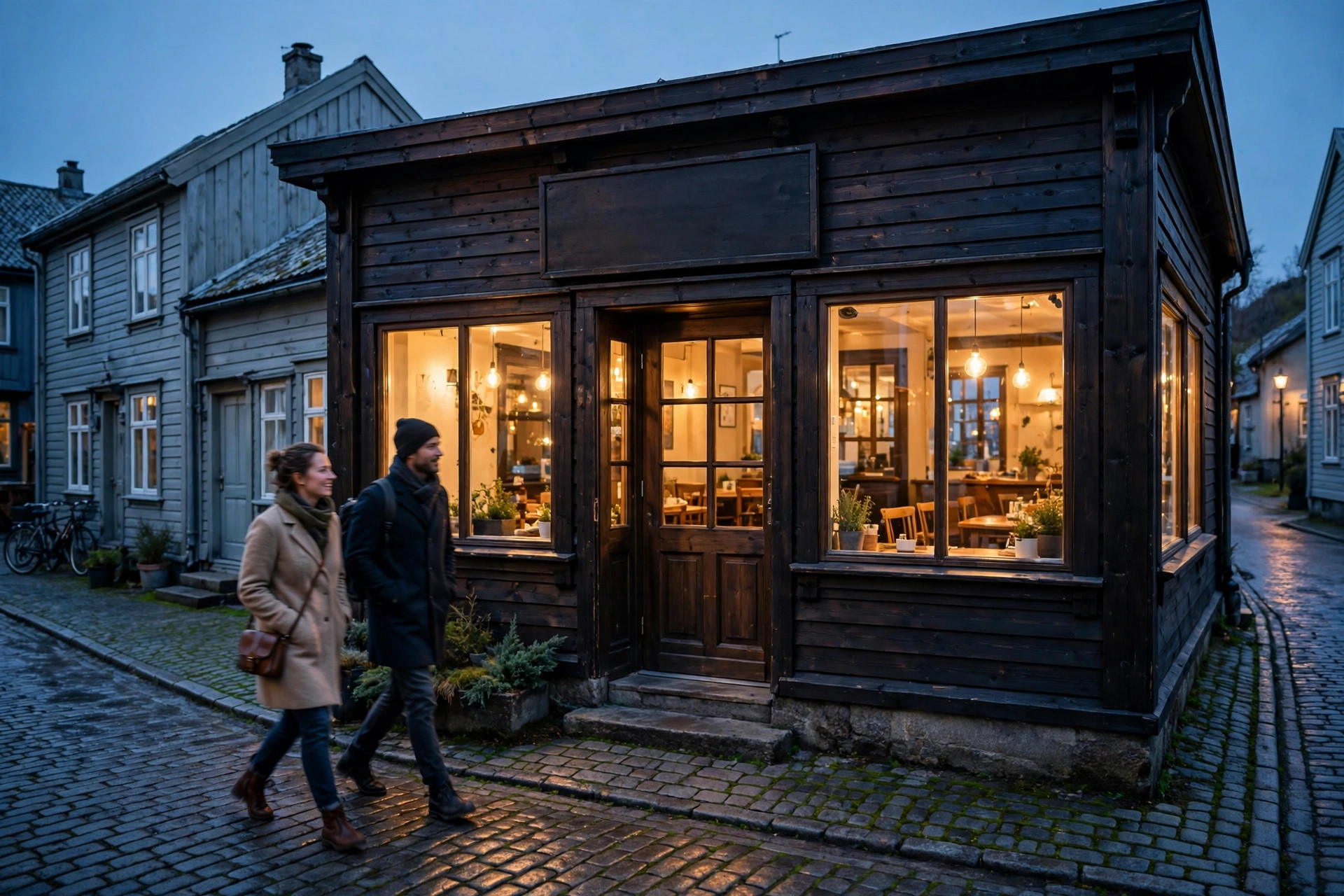
During any rebrand, your loyal guests are owed five things: advance notice, an honest reason, their favourite dishes untouched, staff who can explain the change, and a first invitation to the new version. Deliver all five and most regulars will not just stay — they will bring friends to show off "their" restaurant's new look.
The rebrand playbook, step by step
A rebrand without a sequence becomes a pile of simultaneous emergencies. Here is the order that works, with realistic timing for an independent restaurant. Total: 8–12 weeks for a full rebrand, 3–4 for a refresh (skip steps 2 and 6).
Weeks 1–2: Research and diagnosis
Talk to 15–20 guests — not friends, guests. Ask what they tell friends about your place, what they order, what would make them come more often. Mystery-shop three competitors. Pull your numbers: covers by weekday, average spend, review themes, where bookings come from. Write the diagnosis in one paragraph: what is broken about the current brand, in guests' words. If you cannot write it, stop — you are not ready.
Weeks 3–4: Strategy and naming
Define the audience (one specific guest, not "everyone"), the promise (one sentence), the personality (three adjectives), and the price position. Then naming, if it is changing: generate 30+ candidates, kill the clever ones, keep the pronounceable ones. Check domains and trademarks before falling in love — see the legal section below. Test the shortlist with staff and a few trusted regulars, not a public poll.
Weeks 5–7: Identity design
Logo, colour palette, typography, menu design system, photography direction. Insist on a one-page brand guideline sheet even if you skip the full manual — future you, the sign maker, and the menu printer will all need the exact colour codes. Commission the photography now; the shoot takes weeks to schedule and the images are needed for the website, menus, Google profile and launch posts.
Weeks 6–9: Production (overlaps design)
Order signage the moment the logo is final — it has the longest lead time (typically 3–6 weeks with permits in Nordic city centres). Then menus, uniforms, packaging, website rebuild, booking system re-skin, updated Google Business Profile assets. Build a touchpoint checklist and work it ruthlessly: every place the old name appears must be found, including the delivery platforms, the reservation widget, and the ancient TripAdvisor listing.
Weeks 8–10: Internal launch
Brief all staff with the story, the new menu, and answers to the ten questions guests will ask. Update the website and Google profile first — guests check those before they believe the sign. Send the announcement email. Start the social countdown.
Weeks 10–12: Public relaunch
Friends-and-family evening, then public opening under the new identity. Local press and food bloggers get invitations, not press releases. Run the launch marketing (next section) for at least four weeks — a rebrand announced once is a rebrand nobody noticed.
One Nordic-specific scheduling note: if you can choose, do the visible work in January or February. It is the quietest period for most restaurants, contractors are available, and the spring season arrives with the new identity already bedded in. Rebranding in November means competing with Christmas for everyone's attention, including your own.
Renaming: legal and practical checks
A new name is the only part of a rebrand that can create legal liability, so it gets its own section. Do these checks in order, and do not print anything until all five are green.
1. Trademark search — then registration
Search before you commit. In the Nordics you have two layers: the national office (PRH in Finland, PRV in Sweden, the Danish Patent and Trademark Office, NIPO in Norway) and the EU Intellectual Property Office (EUIPO) for an EU-wide mark. Search both, because a national registration does not protect you against an earlier EU mark. Budget roughly €300–€850 for an EUIPO filing per class (restaurants typically file in the food-service class), plus more if a lawyer runs the clearance search — money well spent, since a forced rename after launch is the most expensive rebrand of all.
2. Domain and handles
Check the .com and your country domain (.fi, .se, .no, .dk) plus Instagram, Facebook and TikTok handles on day one of naming. A name you cannot own online is not a name in 2026. Our guide to choosing a restaurant domain name walks through the trade-offs; the short version is to secure the exact-match domain before the name leaks anywhere.
3. The pronunciation test
Say the name out loud to someone who has never seen it written, then ask them to spell it. If a taxi driver, a tourist and a voice assistant all get it wrong, the name will cost you word-of-mouth for years. Nordic restaurants with international ambitions should test the name in English too — umlauts and double consonants that feel natural at home become booking friction abroad.
4. Business registration updates
A trading name change means updating your business registration, tax records, supplier contracts, delivery platform profiles, the alcohol licence paperwork where the trading name appears, and your bank. Make a list early; the admin tail is longer than anyone expects and some updates take weeks to process.
5. Search equity triage
If the old name has years of Google reviews, backlinks and "best restaurant in [city]" listicles, plan the handover: keep the old domain redirecting for at least a year, update the Google Business Profile name (keeping the reviews — they survive a name change on the same listing), and email every site that links to you with the new details. A rename handled well costs you a few months of search visibility; handled badly, it costs you years.
Relaunch: marketing your new identity
The rebrand is not finished when the sign goes up. It is finished when the market has learned the new story — and that takes a deliberate campaign, not a single announcement post. Plan four weeks of sustained activity.
Week 1: The announcement
Email first (your list, the full story, the "what stays" reassurance), then a pinned social post with the new photography, then updated Google Business Profile with new photos and a Google Post announcing the change. Update the website homepage with a short "we've refreshed our look" banner linking to the story. If local media covers openings, this is the week to invite them — a rebrand with a real story (new chef, new concept, neighbourhood roots) is genuinely newsworthy at local level.
Week 2: The proof
Show, don't tell. Behind-the-scenes content of the new dining room, the new menu dishes, the team in the new identity. One dish per day on social, each with a booking link. This is where the new food photography earns its fee: the relaunch lives or dies on whether the images make people hungry.
Week 3: The invitation
A concrete reason to visit now: a relaunch tasting menu, a "bring a friend" week, a limited dish available only during the launch month. Pair it with a small, tightly targeted social ad spend (€200–€500, radius-targeted around the restaurant) aimed at people who have engaged with your content but never booked. The goal is trial — one visit under the new brand converts sceptics faster than ten posts.
Week 4: The consolidation
Collect and showcase the first reviews mentioning the new experience. Refresh any remaining old-brand assets you missed (there will be some — the delivery menu PDF from 2022, the staff rota app header). Send a second email: "one month in, here's what guests are saying." Then return to the normal marketing rhythm, with the new identity as the baseline.
Throughout, keep one principle: every relaunch message should answer "what's in it for the guest?" A new logo is not a benefit. A better menu, a warmer room, the same beloved dishes in a place that finally looks like the food tastes — those are benefits. Market the benefits.
Measuring whether the rebrand worked
A rebrand without targets is just expensive redecoration. Set the baseline before you start — you will never reconstruct it afterwards — and review at 30, 90 and 180 days.
The five numbers that matter
1. Covers and revenue per available seat. The ultimate test. Compare like-for-like weeks against the previous year, adjusted for any price changes. A successful rebrand should show a sustained lift by month three, not just a launch-week spike.
2. New vs returning guests. If the rebrand aimed at a new audience, the share of first-time bookers should rise. If it aimed at keeping regulars while looking sharper, the return rate should hold steady. Your booking system can usually split this — if it cannot, that is a separate problem worth fixing.
3. Average spend. Rebrands that move a restaurant upmarket should lift average spend per cover; the menu engineering should have been designed for it. Track it weekly for the first quarter.
4. Review sentiment themes. Read the first 50 reviews after launch and tag what they mention: the room, the new dishes, the "new" feeling. You are looking for the new story landing in guests' own words. If reviews still describe the old place, the message has not landed.
5. Direct traffic and branded search. In your website analytics and Google Business Profile insights, watch for growth in direct visits and searches for the new name. Rising branded search is the clearest signal the new identity is sticking in people's heads.
And the honest caveat: if the numbers are flat or down at 180 days despite good execution, the diagnosis was probably wrong — the problem was not the brand. That is painful but valuable information, and it is far better to learn it from data than to rebrand a second time on instinct. For a deeper look at the numbers side, see our guide to restaurant brand identity and how the visual pieces connect to the commercial ones.
Frequently asked questions
How much does it cost to rebrand a restaurant?
A visual refresh — new logo, menus and signage, keeping the name and concept — typically costs an independent restaurant €3,000–€12,000 in the Nordics. A full rebrand with new strategy, name, identity, website and interior touches typically runs €12,000–€35,000. The biggest cost drivers are physical signage, printed materials and any interior changes, not the design work itself.
How long does a restaurant rebrand take?
A simple refresh takes 2–4 weeks. A full rebrand takes 6–12 weeks from research to relaunch for an independent restaurant. Add 2–4 more weeks if you are changing the name, because trademark checks, domain registration and updating listings take time. Most Nordic owners schedule the visible work for the quiet January–February window.
Will I lose customers if I rebrand my restaurant?
You can, if you change without explaining why. A survey by Rebrandly found 82% of consumers feel less trusting of brands that change name or logo without a clear reason. The protection is communication: tell regulars the story, keep the dishes they love, involve staff, and treat the relaunch as a celebration, not a disappearance of the old place.
Should I change my restaurant's name or keep it?
Keep the name unless it actively works against you — it is confusing, hard to pronounce or spell, tied to a cuisine you no longer serve, or carrying bad reputation. A name change is the most expensive and riskiest part of a rebrand: it resets years of word-of-mouth and search equity. Most successful restaurant rebrands keep the name and change everything around it.
What is the difference between a rebrand and a brand refresh?
A refresh updates the visuals — logo, colours, menu design, photos — while the name, concept and positioning stay the same. A rebrand goes deeper: it re-examines who the restaurant is for, what it stands for, and often changes the name, concept and customer promise. If your problem is that the place looks tired, refresh. If your problem is that the wrong people walk in — or nobody does — rebrand.
Want a website that matches your new brand?
PowerfulWebsite rebuilds your restaurant's website to match your new identity — free build, from €59/month. Everything included: domain, hosting, maintenance and updates, so the new brand goes live everywhere at once.
See the packages